

In the high altitude of the Himalayas, there exists a sticky, tar-like resin that the locals call “Mountain Blood.” In Ayurveda, it holds an even more powerful title: Shilajit, which translates literally to “The Conqueror of Mountains and Destroyer of Weakness.”
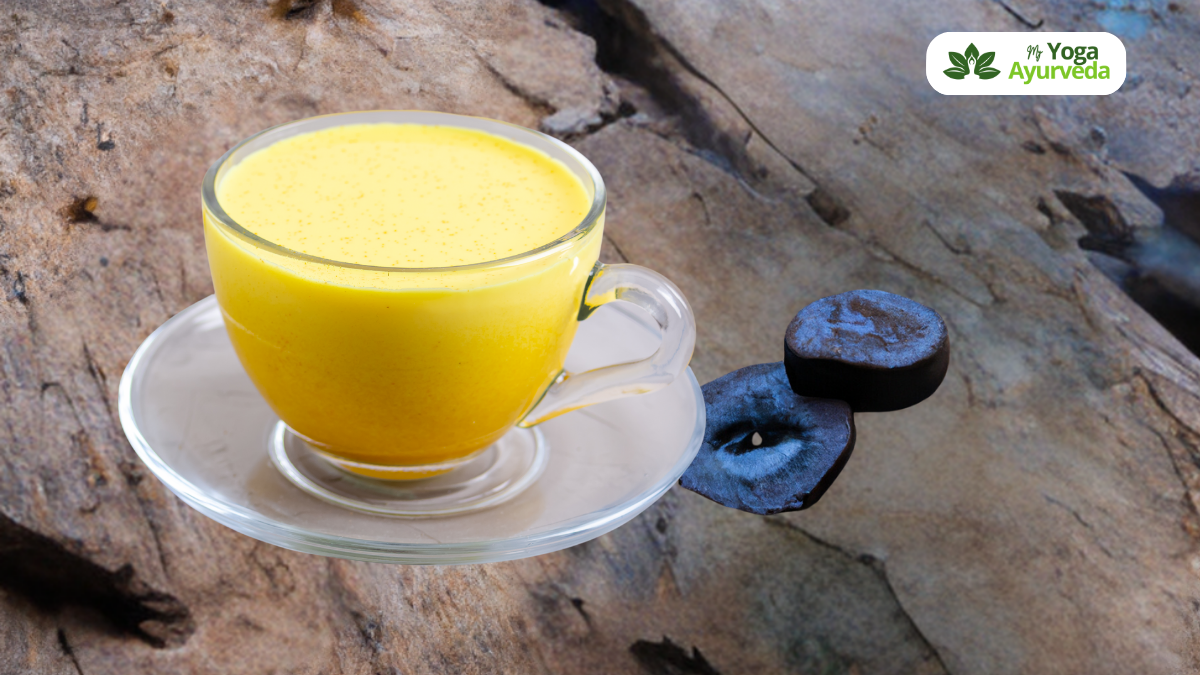
For over 3,000 years, this substance has been used to revive the weary and restore the weak. But what exactly is inside this black resin that makes it so potent? And why is modern science finally validating what Yogis have known for centuries—that this is not just a “men’s herb,” but a total body rejuvenator?
Shilajit is a sticky, blackish-brown exudate found in the steep rocks of the Himalayas, Altai, and Caucasus mountains. It is not a plant, nor strictly a mineral, but a natural resin formed from the slow decomposition of plant matter over centuries. This unique process enriches it with humic and fulvic acids, making it one of the most nutrient-dense substances in Ayurveda.
In Ayurveda, Shilajit is classified as a Rasayana—a premier rejuvenating tonic that promotes longevity and arrests aging. The ancient texts hold it in high regard:
The Charak Samhita States:
“शिलाया जतुः शिलाजतुः इति लोके प्रसिद्धः। यो धातुमयः पर्वतप्रदेशेषु सूर्यतापेन जटितः दृश्यते।“Meaning: “Shilajatu (Shilajit) is the substance that oozes out from rocks in mountainous regions, heated by the intensity of the sun, enriched with the essence of metallic minerals.”
It is traditionally used to balance all three doshas, but it is particularly effective in pacifying Kapha (earth/water) and Vata (air/ether) imbalances. It supports kidney function, manages blood sugar levels, and aids in respiratory conditions like asthma.
This powerful resin is known by many names across the world, reflecting its universal appeal:
While Shilajit comes in various colors (red, blue, white), the black variant containing gold or iron essence is considered the most potent for therapeutic use in Ayurveda.
Beyond energy, Shilajit is a versatile remedy used for:
Did you know? Recent research highlights that Shilajit contains “polytargeted” compounds that make it difficult for viruses to develop resistance. Studies show it may be effective in preventing and treating certain viral infections.
Discover Ayurvedic Secrets for a Healthy Winter by nourishing your body with this resin. Here is what science says:
Shilajit is rich in fulvic acid, which improves nutrient absorption at the cellular level. This is a game-changer for those with Chronic Fatigue Syndrome (CFS). Clinical studies have demonstrated that Shilajit supplementation can significantly reduce fatigue and anxiety while improving sleep quality.

Struggling with focus? Research suggests Shilajit acts as a nootropic. Animal studies indicate it helps prevent the accumulation of tau protein, a marker for Alzheimer’s, thereby protecting brain cells and enhancing memory. In Ayurveda, it is medhya (a mind promoter).
Related: This Ayurvedic Medicine Also Balances Vata, Pitta and Kapha
As a powerful antioxidant, Shilajit fights free radicals and cellular damage. Evidence suggests its anti-inflammatory properties can help manage arthritis, reduce edema, and support heart health.
Shilajit is perhaps best known for male reproductive health. In a study of 60 infertile men, participants taking purified Shilajit for 90 days saw remarkable results:

Shilajit isn’t just for men. Its cleansing properties are beneficial for the female urinary tract and reproductive system. It helps regulate the menstrual cycle, improves fertility, and can aid in breaking down urinary stones.
Heading to the mountains? The Sherpas use Shilajit for a reason. Its adaptogenic nature helps the body handle low oxygen and high atmospheric pressure. Research confirms it alleviates nausea, fatigue, and hypoxia associated with high altitudes.
Iron supplements can be hard on the stomach. Shilajit is a natural source of iron and humic acid, which stabilizes iron in the body and improves its absorption, making it a gentle alternative for treating anemia.
Nutritional Information (Per 1 Gram)
| Nutrient | Amount |
| Fulvic Acid | 0.125 grams |
| Humic Acid | 0.06 grams |
| Iron | 0.125 mg |
| Calcium | 1.25 mg |
| Magnesium | 0.625 mg |
| Minerals | Zinc, Selenium, Copper (Trace) |
Forms: Available as resin (most potent), powder, or capsules.
Dosage: A pea-sized portion (300mg to 500mg) per day is generally sufficient. Do not exceed 500mg at once.
Method: Dissolve a small portion in hot milk, tea, or warm water. Drinking it with warm milk (anupan) before bed is the traditional Ayurvedic method for maximum absorption.
While safe for most, be mindful of the following:
Also Read: 5 Ayurvedic Medicines for Asthma That Actually Work
Shilajit is a potent gift from the Himalayas that bridges the gap between ancient wisdom and modern wellness. Whether you are a man looking to boost vitality and fertility, or a woman seeking hormonal balance and energy, this resin offers a holistic solution.
Ready to transform your health? Start your journey with a high-quality, purified Shilajit supplement today. And if you are looking to build physical strength to match your internal vitality, join our Winter Yoga Sessions for expert guidance.
Q: What is the best time to take Shilajit?
A: The best time is on an empty stomach in the morning, or with warm milk before bed for better sleep and recovery.
Q: Is it safe for women to take Shilajit?
A: Yes! It helps with fertility, regulates menstrual cycles, improves bone density, and boosts energy levels in women.
Q: Can I take Shilajit every day?
A: Yes, daily consumption is generally safe. Start with a low dose (250mg) and listen to your body. Consult a doctor if you have underlying conditions.
Q: How do I know if my Shilajit is pure?
A: Pure Shilajit resin dissolves completely in warm water without leaving residue. It should smell earthy/tar-like and should not be too hard or too runny.